ATA's Costello: the freight recovery 'has some runway' — and it is entirely supply-driven
Truckload revenue per mile fell 8.4% from 2022 through 2025 while nonfuel costs rose more than 13%; now enforcement is purging 'shadow capacity,' freight volumes are still mostly flat, and distillate stocks at historic lows are Costello's warning sign for diesel into the fall season.
Summarized from Transport Topics.
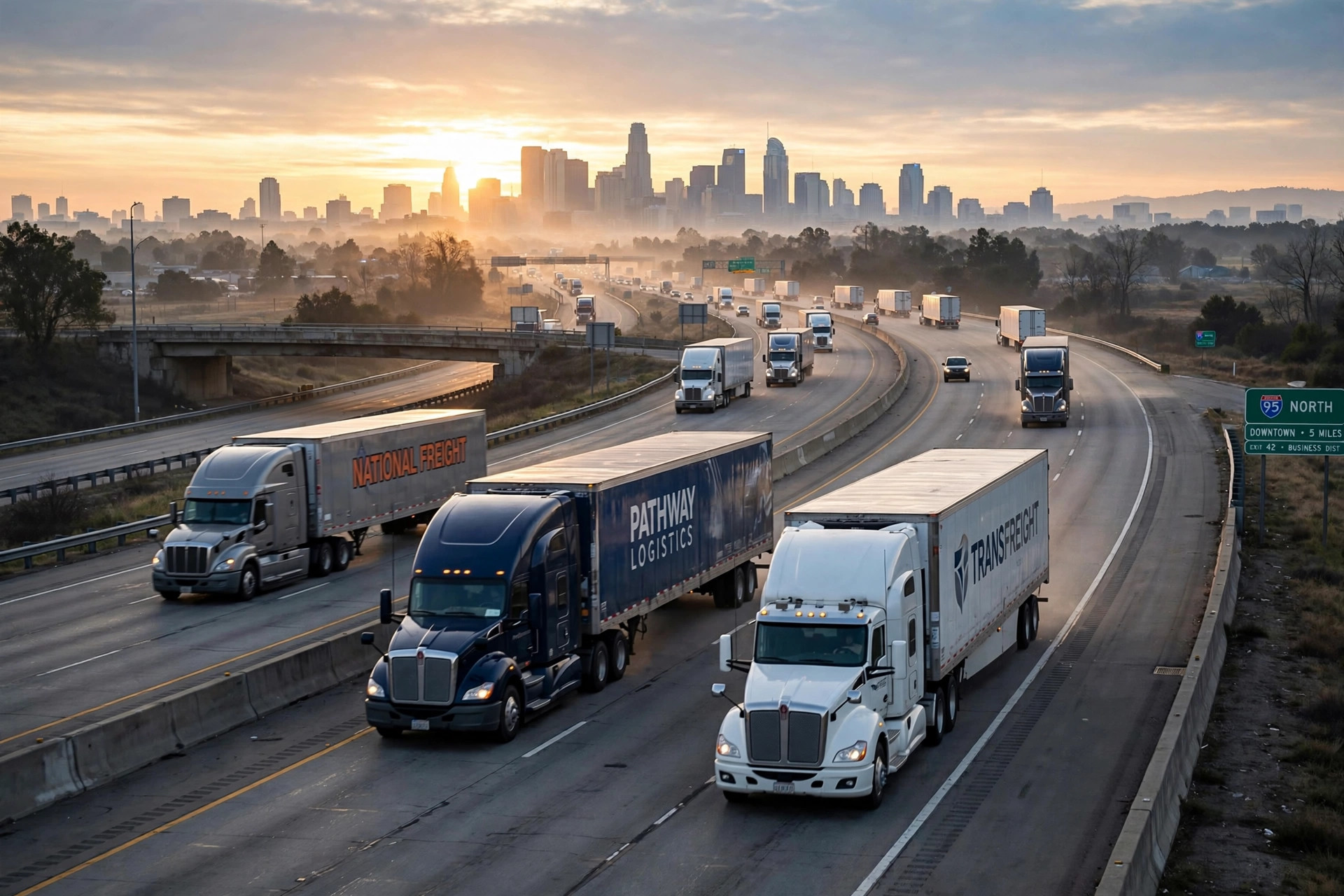
The trucking industry's recovery from its prolonged freight recession has staying power even though freight demand is providing almost none of the lift, the American Trucking Associations' chief economist told the industry's annual management conference, according to Transport Topics on Oct. 19.
"We are in a cycle like we have never seen before," ATA Chief Economist Bob Costello said during his Oct. 19 presentation in Charlotte, North Carolina. "And it is all supply driven." Freight volumes remain mostly stagnant, with pockets of strength in certain sectors and regions, but the reduction in hauling capacity has shifted the balance between supply and demand and pushed rates higher.
Costello described the rebalancing in two phases. From 2022 through 2025, truckload revenue per mile dropped 8.4% while operating costs climbed more than 13% excluding fuel expenses and surcharges, citing ATA and American Transportation Research Institute data — conditions that pushed many carriers out of business, though not quickly enough to restore balance. More recently, a second wave has accelerated the shift: this year's heightened enforcement of trucking safety regulations is purging what Costello called "shadow capacity" from the market, through greater scrutiny of driver training standards, enforcement of English-language proficiency requirements, and closer vetting of non-domiciled commercial driver licenses, B-1 visa rules and electronic logging device compliance.
Demand is not rescuing anyone. Factory output is up 1.3% this year through September, but much of that growth came from aerospace and from computer and electrical equipment tied to the artificial intelligence and data center boom; strip out those three categories — collectively about 10% of manufacturing — and factory output was essentially flat. Data center construction has surged nearly 34% year to date while overall nonresidential construction dropped 4.9%. Costello projected real gross domestic product will expand 2.4% this year, but only 0.6% with AI-related investment removed, against headwinds that include effective tariff rates still historically high at 11%, inflation and higher interest rates.
His caution flag for drivers was fuel. Current distillate stocks are historically low for this time of year. "That does not bode well for the prices going into this fall freight season and later on this year," he said, adding that the U.S. Strategic Petroleum Reserve is now "about as low as we can get" after releases that kept crude prices from climbing higher.
Nor does he expect capacity to flood back. Projected 14% growth in Class 8 retail sales this year largely reflects pent-up replacement demand from deferred truck purchases, not fleets rebuilding excess capacity. "I think we've got some runway here," Costello said.
Sources
Related coverage
 October 16, 2026 · Fuel & ratesJ.B. Hunt beats lowered Q3 expectations, but extra costs top $50 million on diesel, drivers and claims
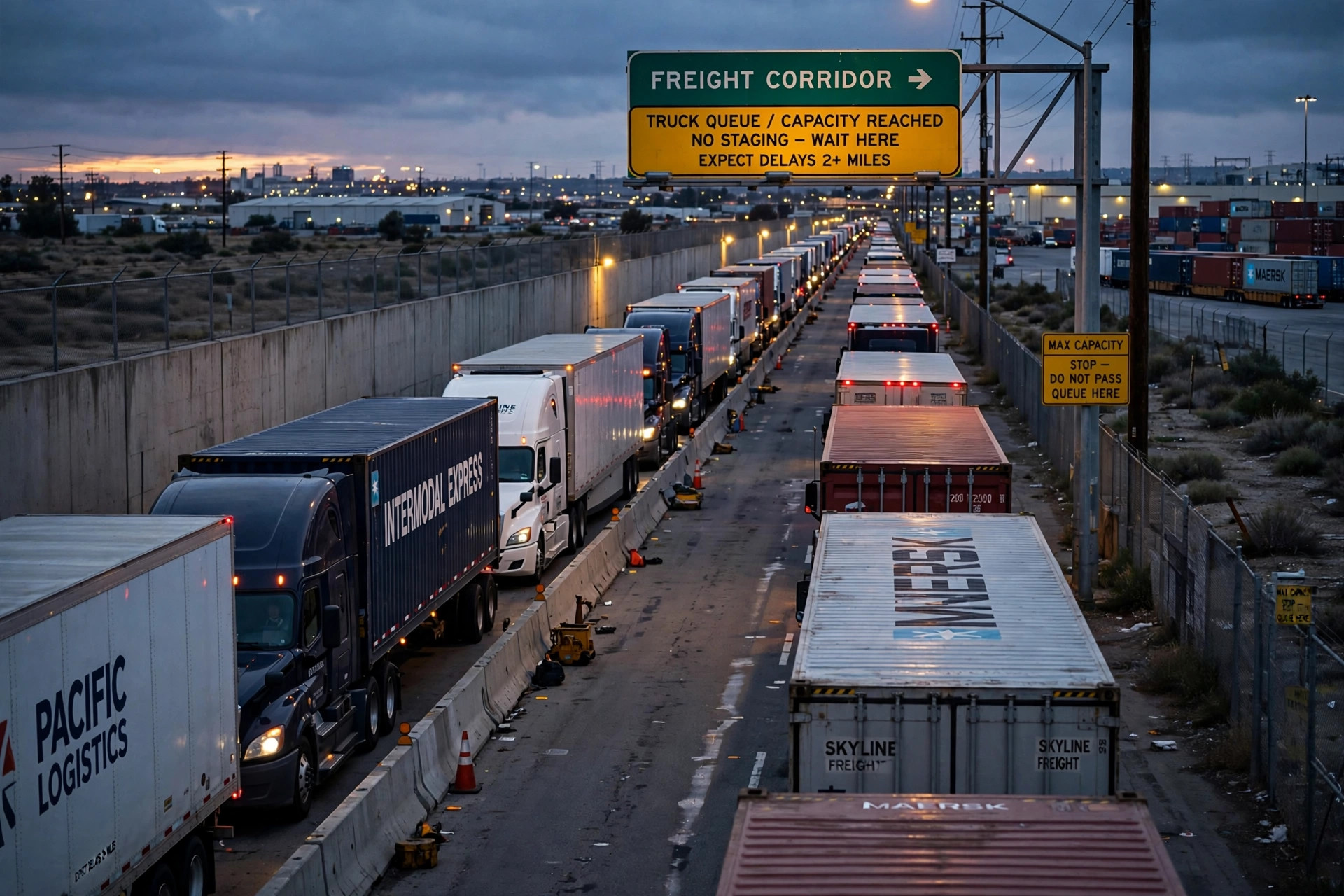 October 15, 2026 · Fuel & ratesFTR: Spot rates have peaked but are expected to flatten, not fall, as capacity stays tight
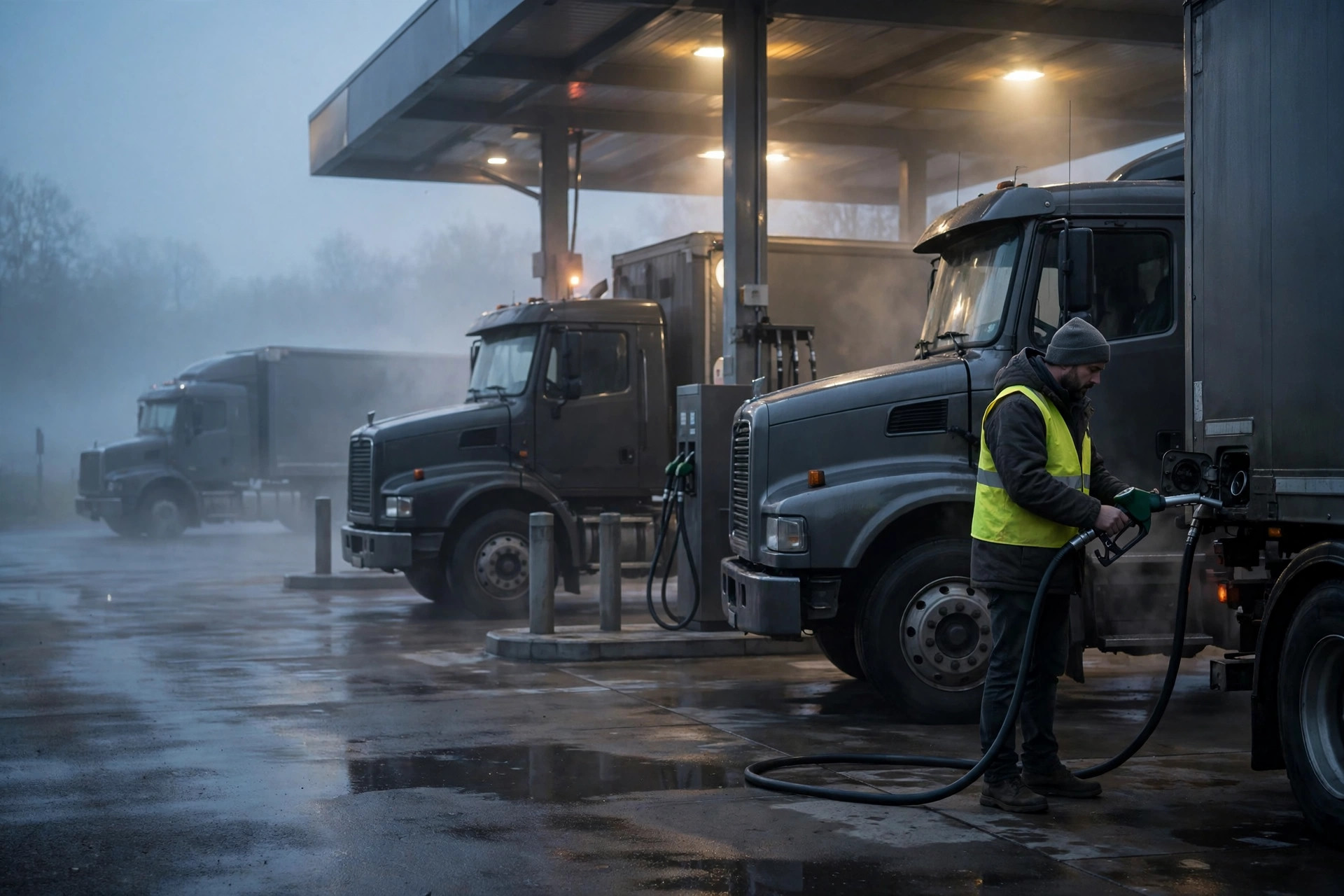 October 14, 2026 · Fuel & ratesDAT: September spot and contract rates rose as diesel passed $6 a gallon for the first time
Comments
Loading comments…