Marten's Q3: pricing is back, but fuel, health insurance and driver pay ate the quarter
Refrigerated carrier Marten Transport earned $2.9 million in the third quarter — better than a year ago but light of Wall Street's estimate — as fuel, health insurance and driver-pay costs cut $3.7 million from net income, even with truckload revenue per loaded mile up 14% to $3.02; its shares fell 7% in midday trading Friday.
Summarized from FreightWaves.
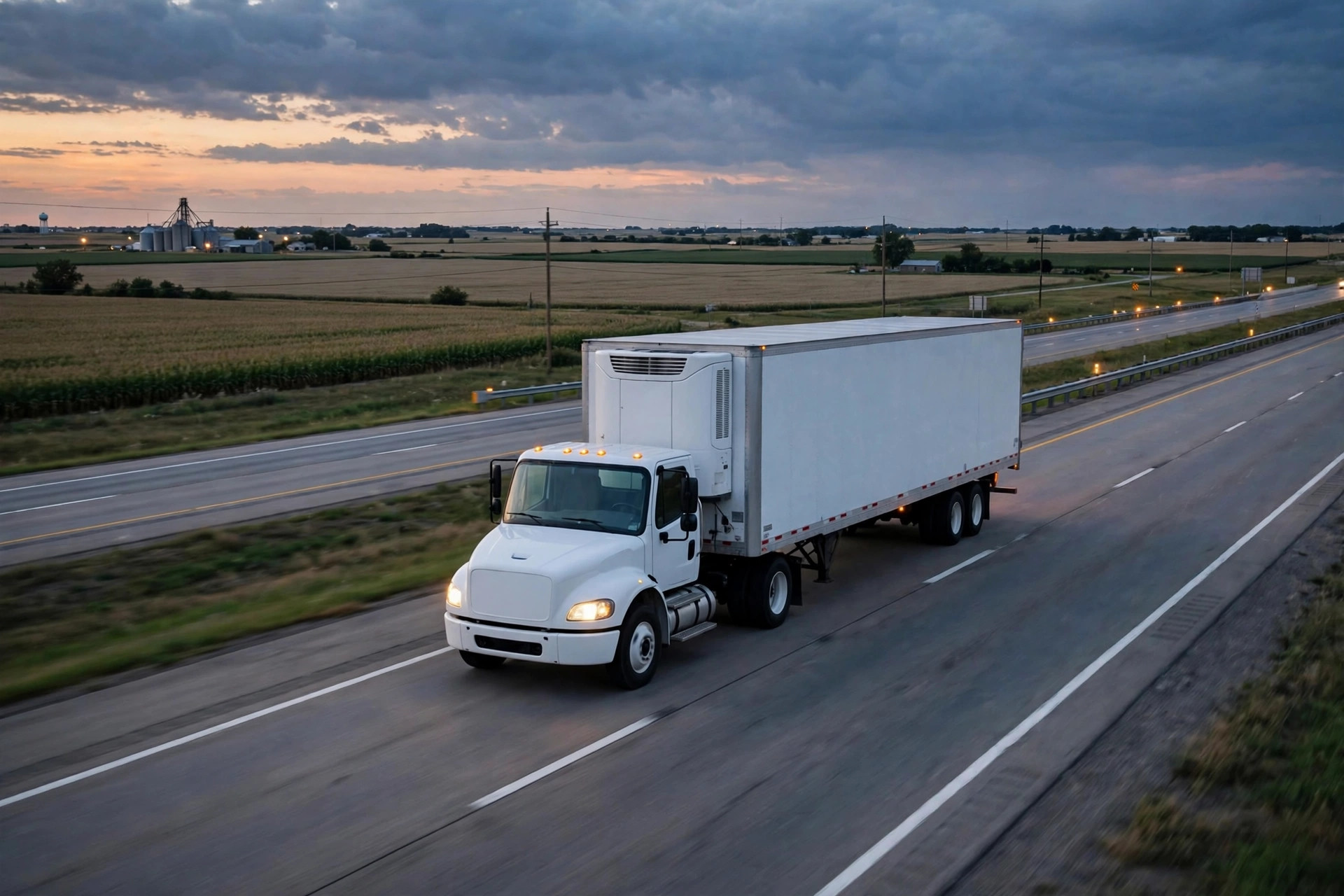
Image: Illustration: AI-generated by CDLWire
Marten Transport's third quarter shows a freight market that is finally paying better — and a cost stack that took most of it back — according to FreightWaves on Oct. 23. Shares of the Mondovi, Wisconsin, refrigerated carrier were down 7% in midday trading on Friday after the report, and are down 37% from a mid-June peak.
Marten reported net income of $2.9 million, or $0.04 per diluted share, for the quarter ended Sept. 30 — up 30.7% from $2.2 million, or $0.03 a share, a year earlier, but $0.02 light of the consensus estimate, the company announced on Oct. 22. Operating income improved 11.9% to $3.1 million. Consolidated revenue was $223.2 million, up 1% year over year, and that growth came despite a $9.9 million headwind from the 2025 sale of Marten's intermodal unit to Hub Group. Revenue excluding fuel surcharges actually fell, to $184.2 million from $194.0 million, while fuel surcharge revenue jumped to $39.0 million from $26.5 million — a clean illustration of how much of the top line is now diesel pass-through. For the first nine months of the year, net income was $9.6 million, down from $13.7 million in the same period of 2025.
The company put an exact price on its cost problem. "Our earnings were negatively affected by unusually high net fuel and health insurance costs," Chairman and CEO Randolph L. Marten said in the release. Measured against average quarterly levels in the first half of the year, net fuel costs rose $3.5 million in the quarter and health insurance costs rose $2.0 million, while the increase in Marten's driver pay rate reduced results by $1.0 million; a larger gain on equipment sales added back $1.5 million. Collectively, the company said, those factors cut third-quarter net income by $3.7 million, or $0.045 per share. Marten blamed the fuel hit on the surcharge timing lag — surcharge programs trail rapidly rising diesel prices — and on the higher fuel burn of temperature-controlled operations, and said it is working on fuel expense and surcharge management to blunt it.
Underneath the costs, the freight itself improved the way carriers have been promising it would. One-way truckload revenue rose 12% to $117 million; excluding fuel surcharges it was up 4%, as revenue per tractor per week rose 15% on a fleet 9% smaller than a year ago. Deadhead fell 30 basis points to 10.7%, and revenue per loaded mile excluding fuel rose 14% to $3.02. Even so, the truckload unit was unprofitable, at a 100.2% operating ratio excluding fuel — 200 basis points better than a year ago but 280 basis points worse than the second quarter. Dedicated went the other way: revenue excluding fuel fell 9% as truck count dropped 11%, revenue per loaded mile eased 2% to $2.41, and the unit's operating ratio worsened to 97.6%. Brokerage revenue was flat at $39 million, with a 15% drop in shipments offset by a 17% increase in revenue per load, and its operating ratio improved to 94.8%.
Marten's explanation for the pricing turn matches what Knight-Swift, Ryder and other carriers have said all week: enforcement is doing what demand has not. "The truckload freight market has sharply tightened since earlier this year as renewed and enhanced enforcement of federal and state law is removing a meaningful amount of noncompliant and unqualified driver capacity from the marketplace," Marten said. "We are securing higher pricing from our customers for our premium services while enhancing freight quality across our network within these early stages of the freight market upcycle." The company generated $83 million in cash flow from operations in the first nine months, down 5% year over year, kept a debt-free balance sheet, and ended the quarter with a tractor fleet averaging 2.5 years old, versus 2.2 years a year ago.
Because Marten is the only publicly traded pure refrigerated carrier, its quarter is read as a bellwether for food and beverage freight — and the reading for drivers is double-edged. The pricing recovery is real: a 14% jump in revenue per loaded mile does not happen in a loose market, and driver pay increases are visibly part of the cost structure now, not a recruiting rumor. But a carrier can price better and still run its core truckload unit above a 100 operating ratio when diesel, insurance and pay all climb at once — which is exactly the squeeze Triumph Financial described in this morning's edition. Expect reefer carriers to keep fleets tight, keep chasing rate, and keep passing fuel costs through surcharges that lag the pump by design.
Sources
Related coverage
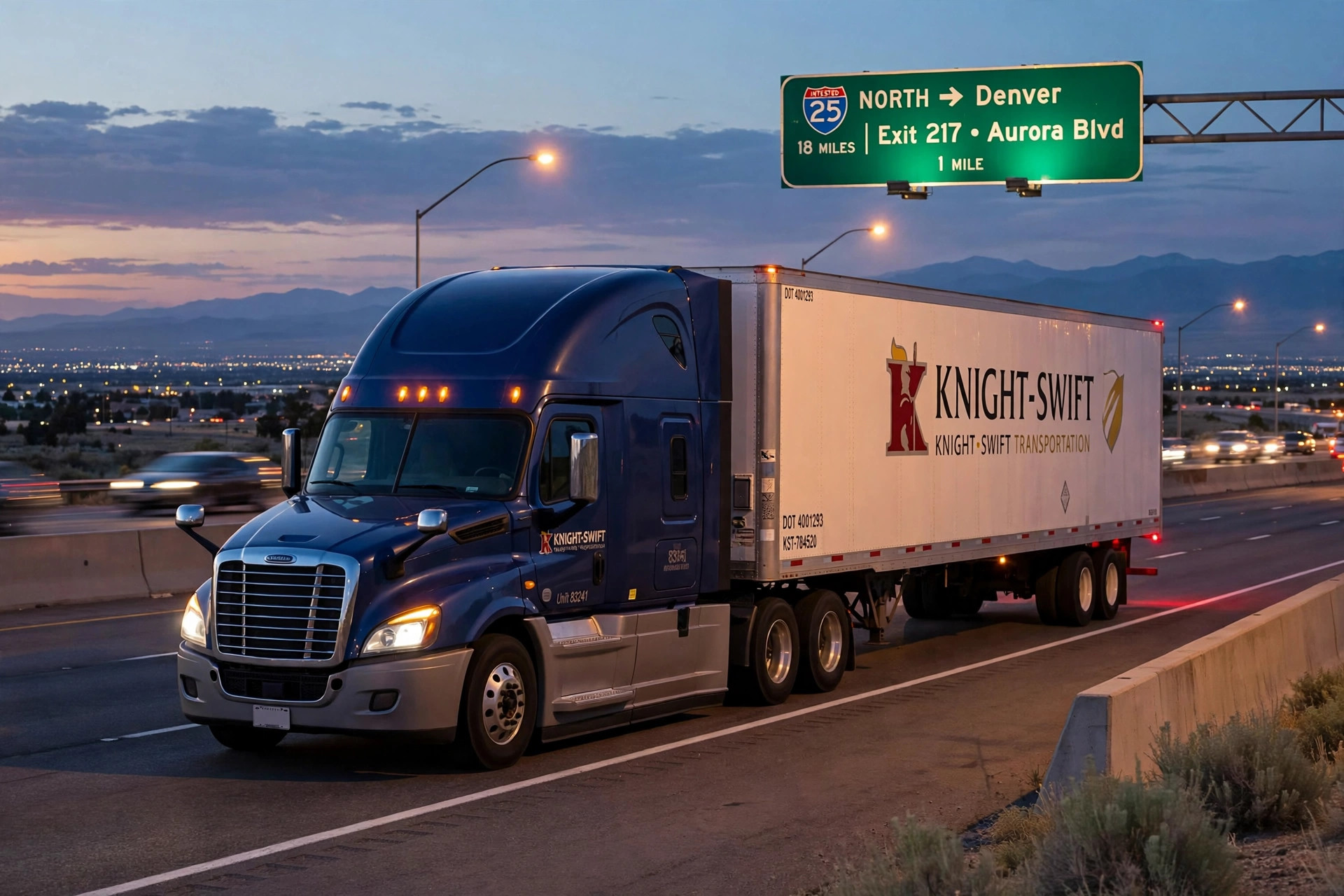 October 22, 2026 · Carrier watchKnight-Swift beats Q3 expectations: $0.83 a share on $2.2 billion in revenue as truckload pricing resets
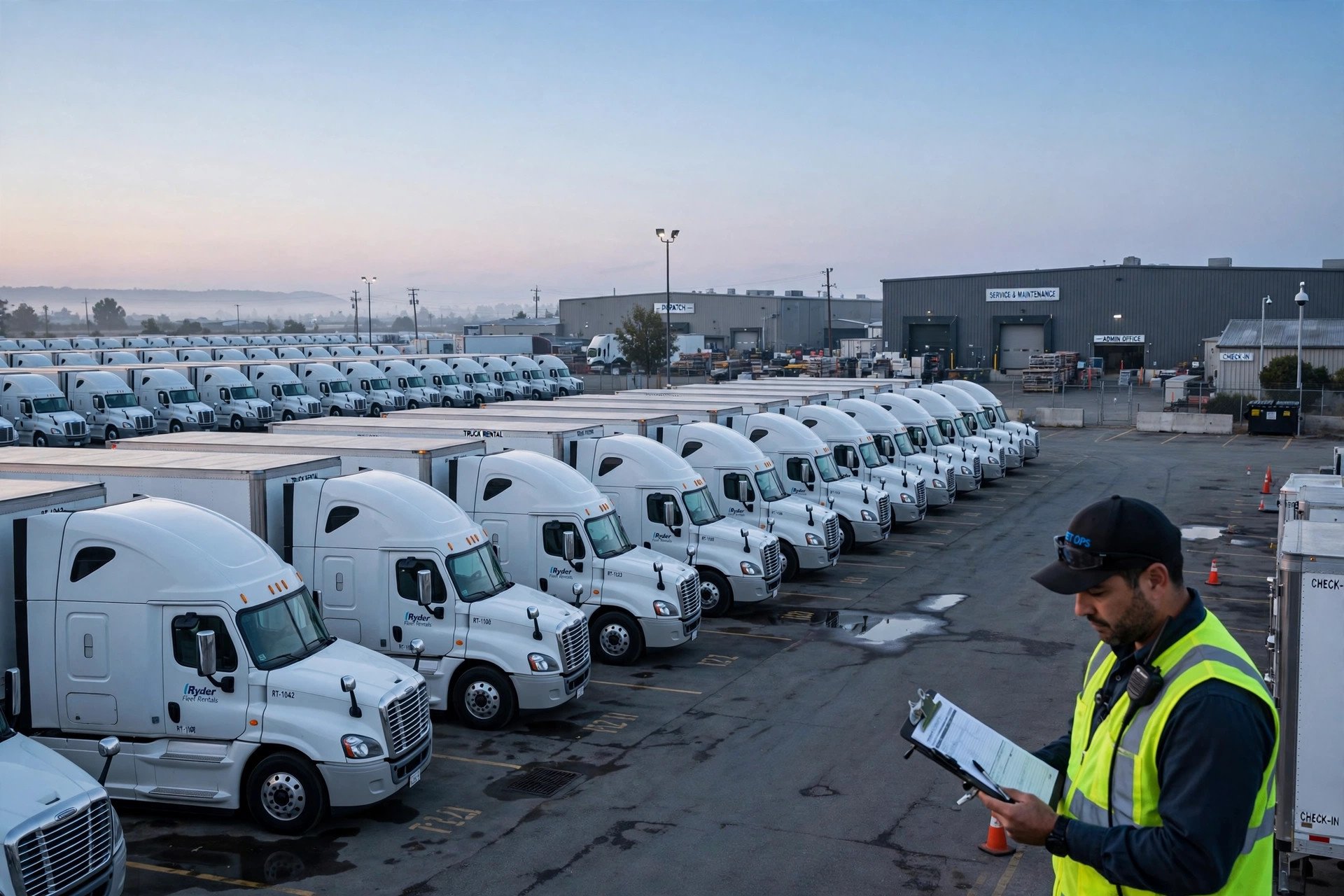 October 22, 2026 · Carrier watchRyder beats Q3 estimates, and its fleet chief sees growth — not an EPA '27 pre-buy
 October 21, 2026 · Carrier watchHeartland Express books its first real profit since 2023: $1 million in Q3 as capacity cuts lift pricing
Comments
Loading comments…