As freight fraud shifts to impersonation and process attacks, Highway pitches shared data standards for carrier vetting
Cargo thieves increasingly work the space between broker and carrier — impersonating carriers, intercepting load data and redirecting shipments — and carrier-vetting platform Highway says no single vendor can close the gaps: it is building a certified network in which insurers, factors and telematics providers stand behind the data brokers rely on.
Summarized from FreightWaves.
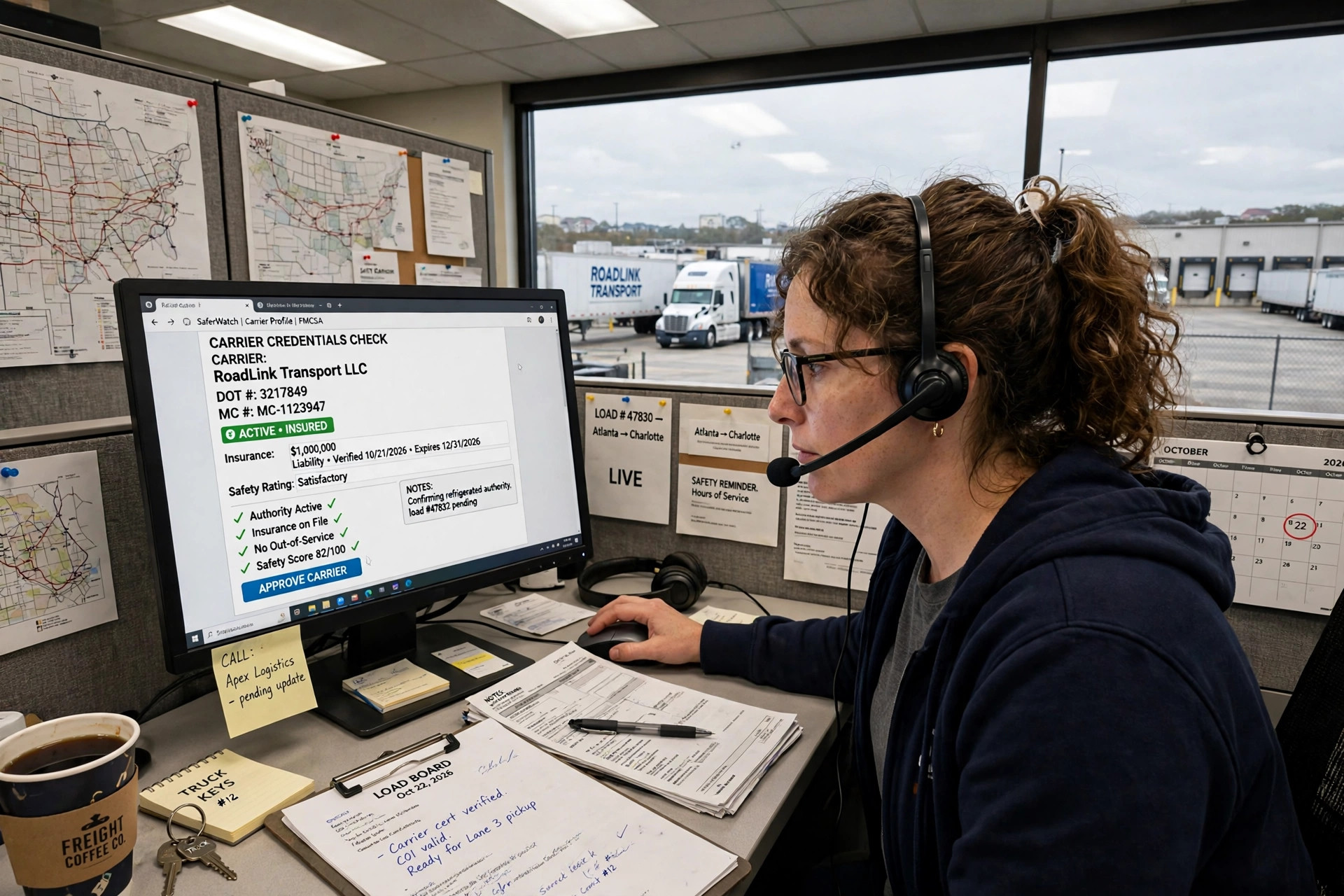
Cargo thieves have learned to work the space between a broker and a carrier — impersonating carriers, intercepting load data and redirecting shipments — and no single vendor can close those gaps, according to FreightWaves on Oct. 21, reporting an interview with Highway Chief Commercial Officer Michael Caney. Highway, which sells carrier identity and vetting tools to the 1,500 brokers that pay it to manage risk, says freight needs shared standards for the data brokers use to choose carriers.
The company's pitch starts with a wider count of who touches a load. For years, Caney said, he thought a load had two parties — the broker and the carrier. He now counts five: the insurance agent and insurer, the factoring company and the telematics provider are the other three. "All of these parties provide data and introduce risk, yet none is accountable when a theft occurs," Caney said. "There's no incentive alignment." In insurance, a carrier can take a truck off its scheduled auto policy and the change never makes it from the insurer to the agent to Highway, so the broker learns the truck was not covered only after an accident or cargo damage. Factoring companies, which buy carriers' freight bills, care mainly whether the broker on the other end will pay, he said.
Highway's answer is a certified network of providers that agree to stand behind their data. The first phase, Highway Certified Insurance Agencies, launched June 1 with 10 founding agencies; they commit to accurate certificates of insurance, coverage detail down to the vehicle identification number and timely notice of policy changes, cancellations and nonrenewals, and Highway plans to extend certification to other service providers in brokered freight. Caney has also argued that electronic logging device data needs an enforceable standard, and that Highway sets integration requirements beyond Federal Motor Carrier Safety Administration registration: "There are FMCSA-certified ELD providers that we won't integrate with," he said.
The push follows where the fraud has gone. Social engineering is now a major threat, Caney said, including voice artificial intelligence used to call brokers and ask them to send load information to a new email address or by text. "What is happening with fraud is a direct attack on process," he said. "It's no longer just about a set of rules." The trouble sits in a narrow slice of the market: more than 82% of the carriers that move brokered freight qualify for Highway's performance guarantee, the company told FreightWaves in September, while in most broker networks about 6% of carriers are ones brokers should not be talking to — and some brokers load them anyway. Loads on that 6% fall outside the guarantee.
The legal stakes rose in May, when the Supreme Court ruled unanimously in Montgomery v. Caribe Transport II that brokers can face state negligent-hiring claims over the carriers they select. "You're dealing with people's livelihoods, including the broker's. After Montgomery, that's a serious responsibility," Caney said. Brokers should be wary of anyone who claims to have the answer, he added — himself included.
Sources
Related coverage
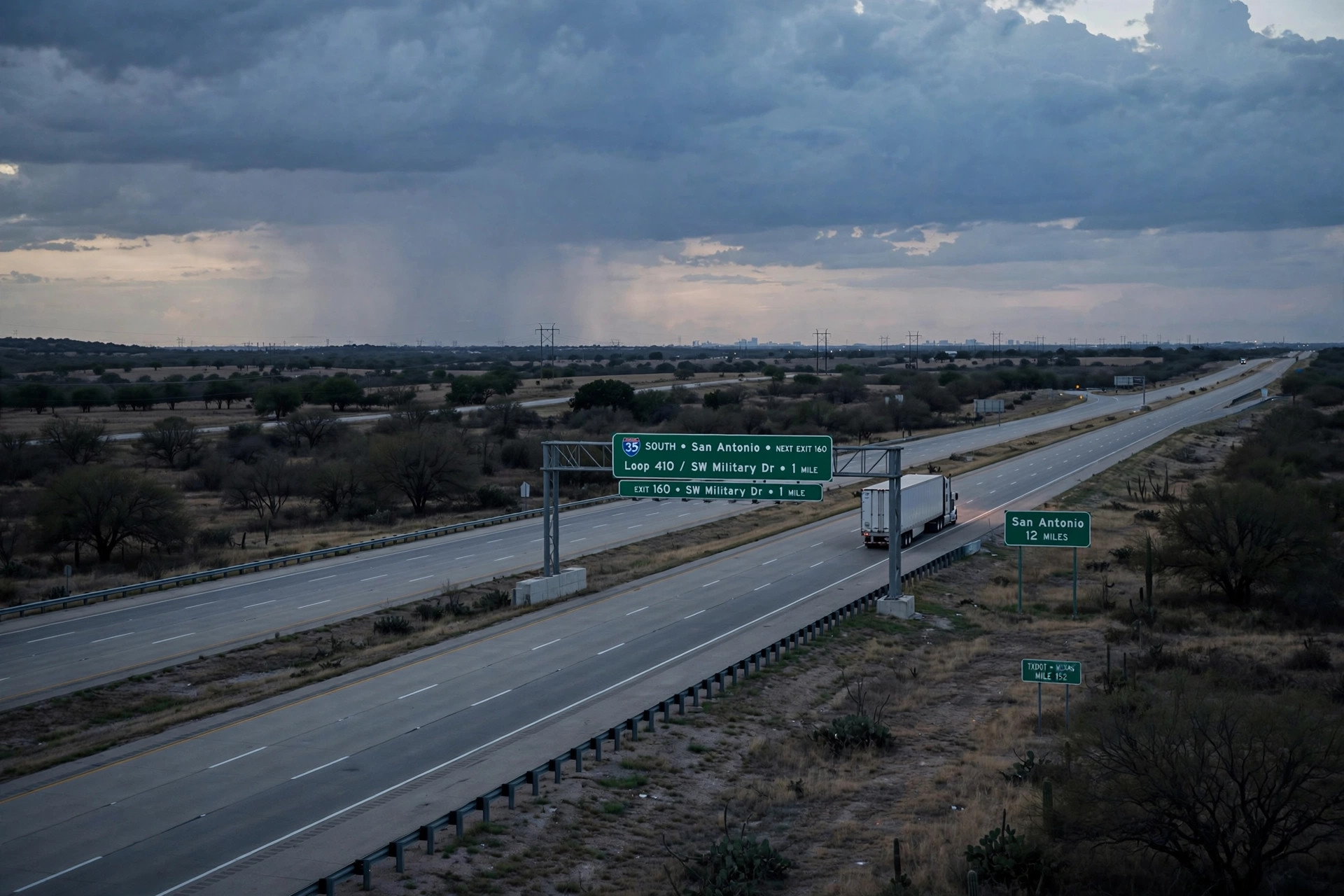 October 20, 2026 · EnforcementSmuggling organizer gets 30 years in San Antonio tractor-trailer tragedy that killed 53 people
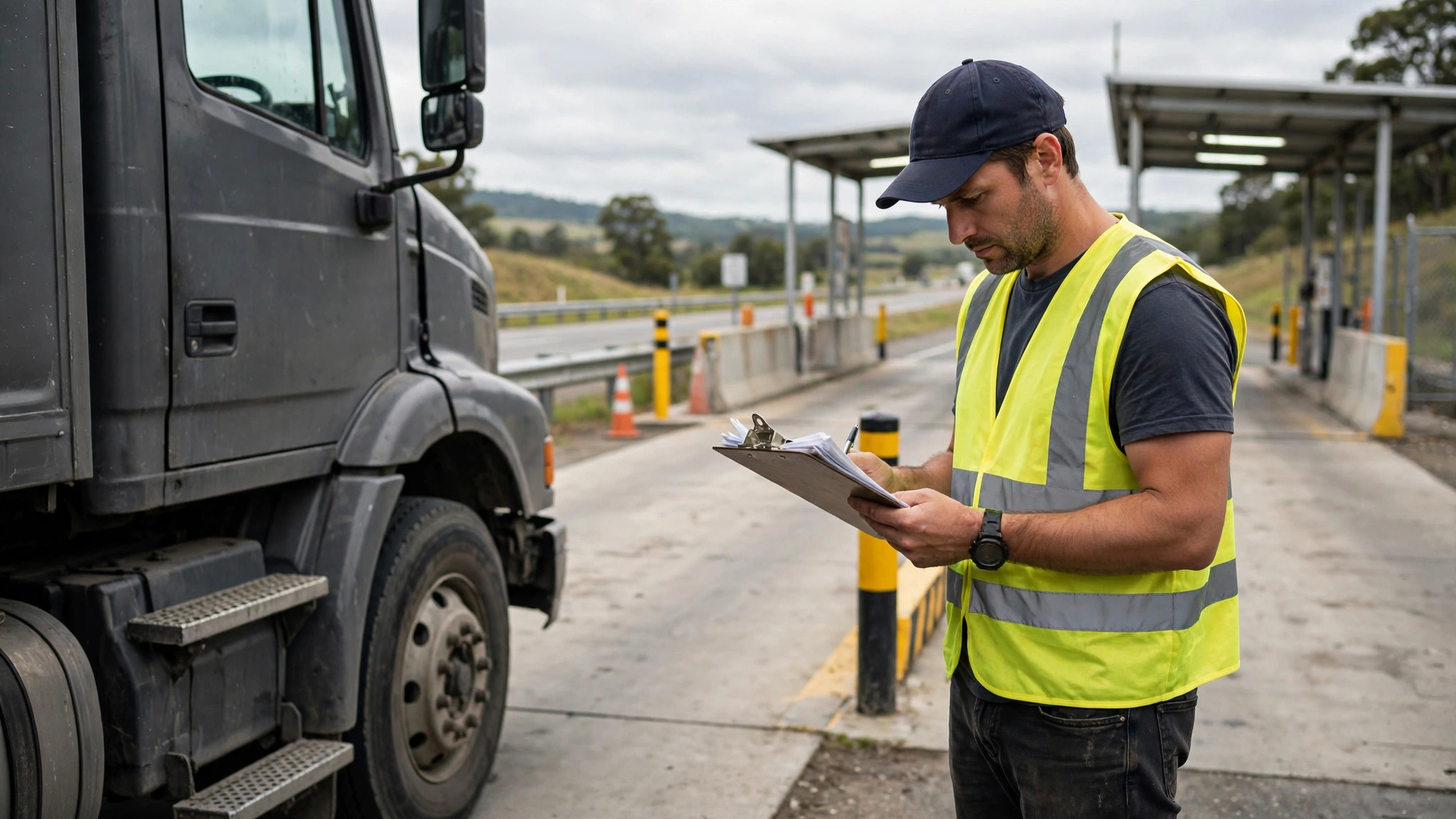 October 17, 2026 · EnforcementFMCSA's DataQs reforms are officially in effect in all 50 states, with deadlines for decisions
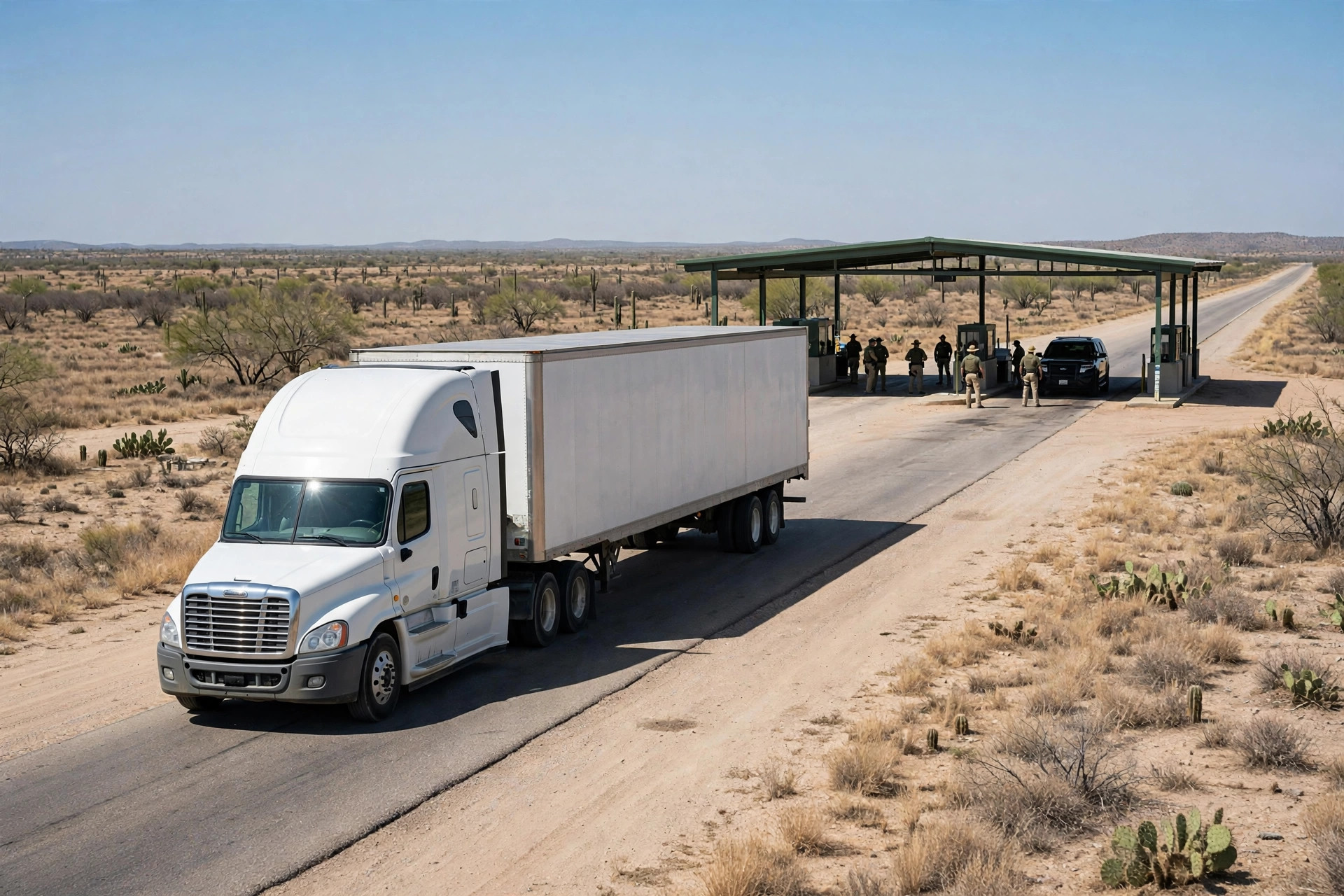 October 16, 2026 · EnforcementTexas trucker gets 21 months in federal prison for smuggling 10 people hidden in his cab
Comments
Loading comments…