Mexico truckers reach a deal for talks after the strike disrupted 19 states — but no one has confirmed the protests are over
A day after nationwide demonstrations disrupted highways across Mexico, trucking organizations and the Interior Ministry agreed Tuesday to four high-level negotiating sessions on security, infrastructure, taxes and regulations. The groups had not confirmed that every demonstration had ended.
Summarized from FreightWaves.
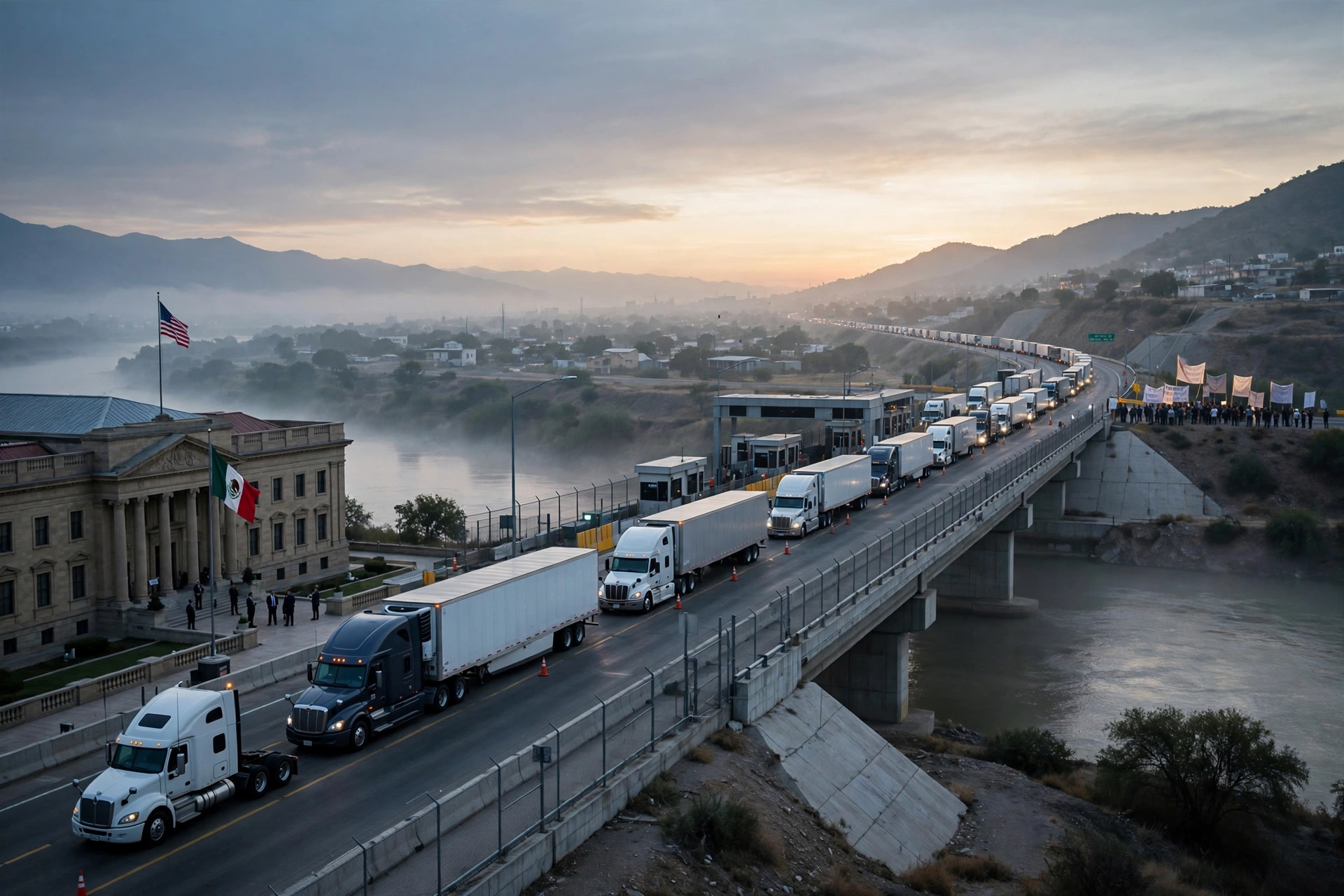
Image: Illustration: AI-generated by CDLWire
Mexico's striking truckers and the federal government have agreed to talk — in four formal sessions, on a defined list of grievances — according to FreightWaves on Oct. 27. Mexican trucking organizations reached the agreement Tuesday with federal officials to begin negotiations aimed at resolving a nationwide strike that disrupted highways across 19 states, a day after drivers launched demonstrations demanding action against cargo theft, highway robberies with violence, extortion and rising operating costs.
The agreement is between Mexico's Interior Ministry, known as Segob, and trucking groups including the National Chamber of Freight Transport, known as CANACAR. It calls for four high-level working sessions addressing highway security, infrastructure, tax incentives, regulations and other issues affecting the country's freight transportation industry. That structure matters: it is not a settlement of the underlying complaints, and it is not yet a promise on any single demand. It is a table, a schedule of sessions, and a set of topics that both sides have publicly accepted.
The scale of Monday's action is still disputed, and both versions are part of the record. Mexico's Interior Ministry reported demonstrations at 38 locations across 19 states on Monday morning, involving 691 vehicles and 858 participants, including truck convoys, roadside gatherings and highway blockades. CANACAR disputed the government's assessment, saying the protest movement extended across all 32 Mexican states. FreightWaves reported the agreement following reporting by La Jornada, T21 and Revista Transportes y Turismo, after trade and freight officials raised concerns about transportation and supply chain delays.
The people at the table on Tuesday were named in the reporting. Augusto Ramos Melo, president of CANACAR, met with Interior Ministry officials alongside Carlos García Álvarez, president of the Honorable Mexican Alliance of Transport Organizations, known as HAMOTAC, and Lauro Rincón Hernández, president of the Mexican-American Federation of Transporters, known as FEMATRAC. After the meeting, Ramos Melo announced that four negotiating sessions would be established to address the industry's demands.
What did not happen on Tuesday is just as important for anyone planning a border crossing. The organizations had not confirmed that all demonstrations had ended. Earlier Tuesday, CANACAR and other trucking organizations had called on participants to continue peaceful demonstrations at strategic highway locations while negotiations were being arranged. So the honest status is this: talks are agreed, the protest call was still standing earlier in the day, and no source in this reporting confirms a full stand-down.
The geography is why U.S. drivers should care even if they never cross the border themselves. Protest activity was reported in Nuevo León, Tamaulipas, Veracruz, Guanajuato, Jalisco and the State of Mexico, among other regions. In northern Mexico, demonstrations were reported around Nuevo Laredo and Reynosa, Tamaulipas, and along major highways serving Monterrey, Nuevo León. Those corridors are critical to commercial truck movements between Mexico and the United States, including shipments of automotive components, manufactured goods, agricultural products and consumer merchandise — the freight that becomes a U.S. load the moment it clears the bridge.
Two outside assessments in the FreightWaves reporting frame the longer risk. Andrew Rader, managing director at supply chain consulting firm Maine Pointe, said this is the third major trucking protest in Mexico in about a year, and that at that frequency it stops being an event and becomes a cost of doing business, with companies running cross-border freight through a single lane paying in expedites and idle time. Joseph Esteves, the firm's chief executive, said the recurring disruptions should prompt companies to reconsider how they structure North American supply chains, arguing that the safe-harbor assumption behind two decades of network design no longer holds and that products crossing the border in either direction need the math rerun.
The practical takeaway for drivers and dispatchers is to treat the deal as a de-escalation signal, not an all-clear. If you run Laredo, Reynosa or Monterrey lanes, or pull cross-border automotive and manufactured freight that stages on the Mexican side, keep checking the status of your crossing and your appointment before you roll, and expect the four negotiating sessions — not Tuesday's handshake — to decide whether this ends or returns. A protest movement driven by cargo theft, violent robbery and extortion does not disappear because a meeting was scheduled, and the groups themselves have not said it has. Plan for possible renewed demonstrations at strategic highway locations, keep extra time in border-crossing plans, and let your dispatcher know early if a load's timing depends on a corridor that was blocked on Monday.
Sources
Related coverage
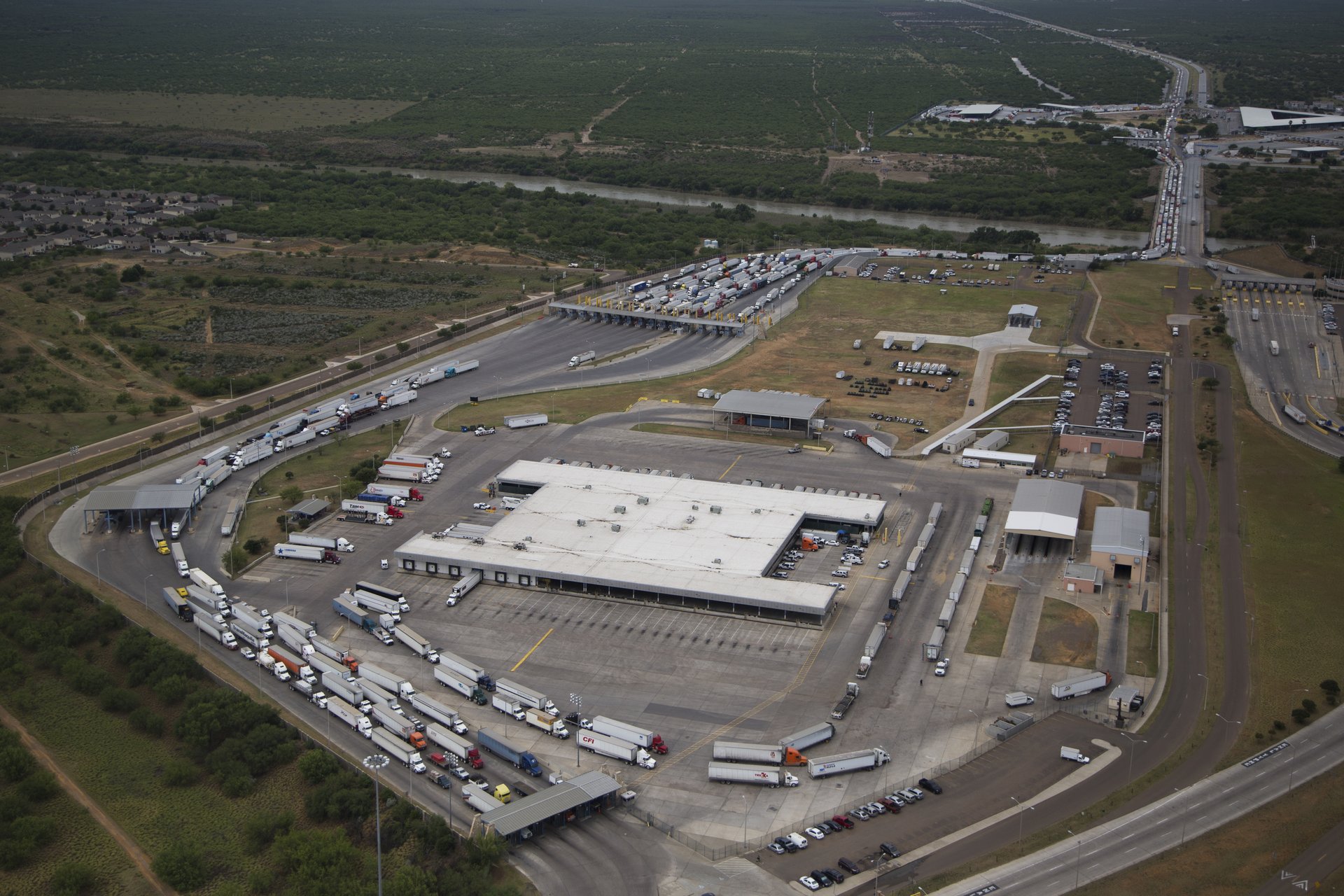 October 26, 2026 · BorderMexico's stoppage starts split: most groups took the government's table, CANACAR holds — and the state counts are uneven
 October 25, 2026 · BorderAvocado imports put $641.5 million into U.S. trucking and warehousing — and Jetco is adding heavy-haul iron on the Gulf Coast
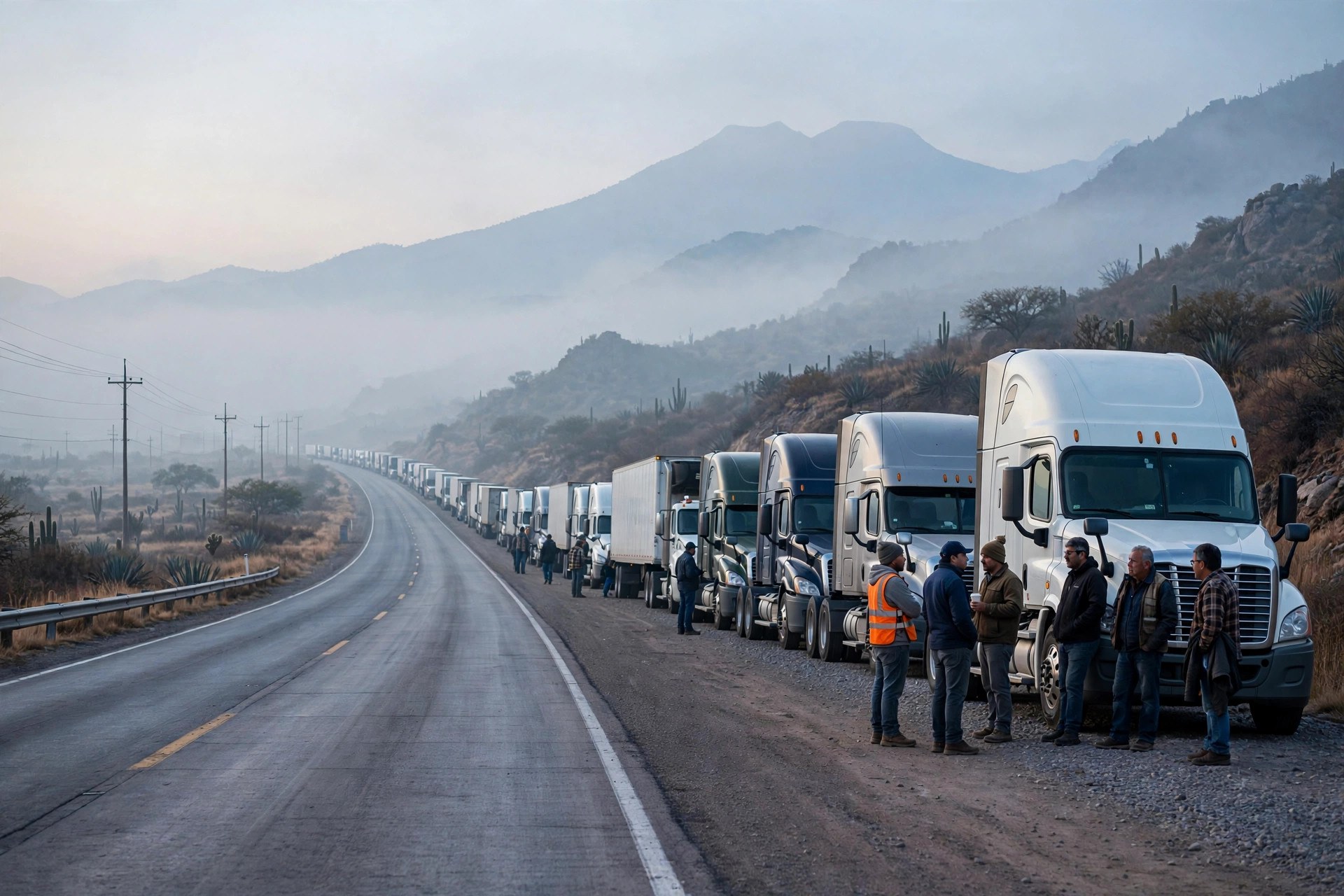 October 24, 2026 · BorderMexico's carriers call a national stoppage for Monday — and border freight is in the path
Comments
Loading comments…