Appeals court throws out the $73.5 million funding cut FMCSA imposed on New York over non-domiciled CDLs
A unanimous three-judge panel of the Second Circuit ruled Friday that FMCSA acted arbitrarily and capriciously when it withheld $73,502,543 in highway money after New York refused to revoke about 32,600 non-domiciled licenses — because the expiration-matching requirement the agency enforced was not in the regulation's text.
Summarized from FreightWaves.
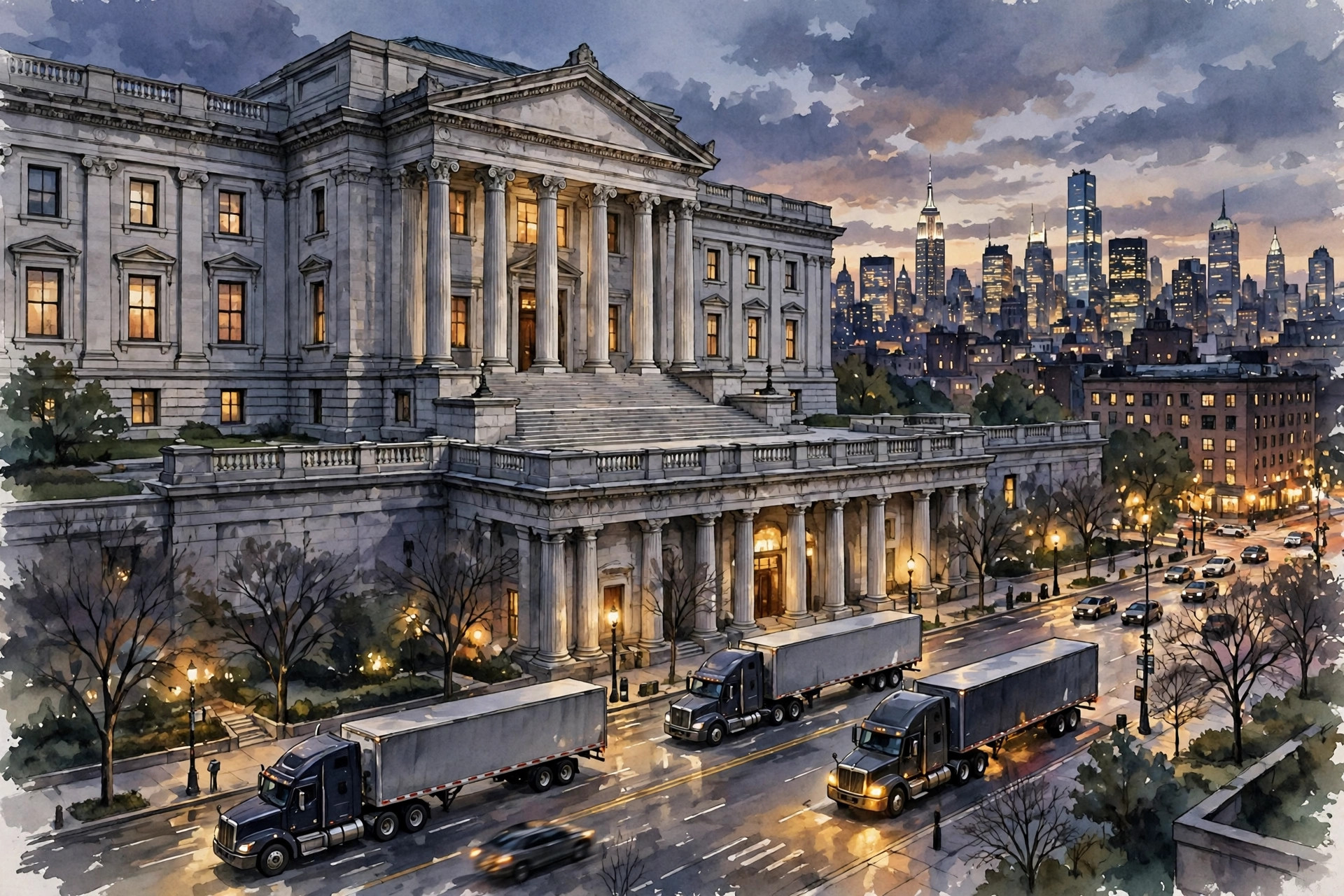
Image: Illustration: AI-generated by CDLWire
A unanimous three-judge panel of the U.S. Court of Appeals for the Second Circuit ruled on Friday that the Federal Motor Carrier Safety Administration acted arbitrarily and capriciously when it withheld highway funding from New York over the state's non-domiciled commercial driver's licenses, according to FreightWaves on Nov. 13. The decision invalidates the Transportation Department's April move to deny New York $73,502,543 — about 4% of the state's normal federal transportation funding — after New York refused to revoke licenses the agency said were issued in violation of federal rules. The Associated Press, reporting the decision on Nov. 13, put the amount at nearly $74 million and the licenses at nearly 33,000.
The dispute is about one question: how long a non-domiciled CDL may last. FMCSA said New York was granting non-domiciled CDLs to non-citizens whose authorization to stay in the United States expired before the license did — a license that could run as much as eight years. To obtain one, a non-domiciled holder had to present lawful-presence documentation instead of proof of citizenship or lawful permanent residency, such as an unexpired Employment Authorization Document or a foreign passport with an approved I-94 form, and the license carried the same terms as a domiciled license: five years at issuance and eight years at renewal. New York's answer, which the court accepted, was that nothing in federal law required a non-domiciled CDL to end on or before the expiration of the driver's authorized stay.
The panel's reasoning starts with a concession. "As FMCSA itself concedes, the plain text of the federal regulations in place during the relevant period did not contain an expiration-matching requirement," the judges wrote. "The regulatory structure and history confirm that conclusion." FMCSA argued instead that its reading was "common sense," and the court answered that directly: "FMCSA's concession that a 'literal' reading of the 'clear' words of its own regulations supports New York's understanding should be the end of the matter." Asking New York to infer the requirement was, the court wrote, "unsupported by the regulatory text." Reuters, reporting the ruling on Nov. 13, quoted the decision's summary of the agency's action: it "runs afoul of fair notice principles, departs from the regulatory text, and underestimates the complexity of its supposedly 'common sense' requirement."
The court put dates on that conclusion. "All in all, the regulatory history reflects that, before September 2025, states were not required to tailor non-domiciled CDL validity periods to the expiration dates on lawful presence paperwork," the judges wrote, adding that the 2011 rule FMCSA was enforcing contains no matching requirement, that FMCSA had decided not to enforce such a requirement until now, and that the agency "has not pointed to a single instance before the final determination in this case when it found a state noncompliant for failing to adhere to that requirement." The universe the ruling covers in New York is about 32,600 non-domiciled CDL and commercial learner's permit holders, about 7% of the licenses in the state, according to the judges' summary reported by FreightWaves.
The penalty the court threw out grew out of FMCSA's 2025 review of New York's CDL program, in which the agency found the state substantially noncompliant on an audit whose sample showed failures in about half the records reviewed. In April, federal regulators announced they would withhold approximately $73.5 million beginning in fiscal year 2027, and threatened additional annual reductions of approximately $147 million starting in 2028 and possible decertification of New York's licensing program. Transportation Secretary Sean Duffy demanded that New York revoke the disputed licenses. Attorney General Letitia James challenged the withholding in April, with the support of Gov. Kathy Hochul, who has called the cuts "devastating" and "political payback." The Transportation Department defended its course on Friday: "We've put a stop to the madness to keep the driving public safe."
CDLWire covered the argument in this case on Sept. 28, when New York told the same panel that FMCSA had found it in substantial noncompliance under an expiration rule that does not exist in any statute — the state's first such finding in the program's history. Friday's decision is that argument, adopted by the court. The ruling sets aside the penalty; it does not strip FMCSA of authority to enforce CDL requirements through lawful procedures, and it is built on the regulations in place before September 2025 — the month the agency moved to rewrite the non-domiciled rules themselves, in separate litigation still working through the courts. A similar suit between the federal government and California is pending before the U.S. Court of Appeals for the District of Columbia, FreightWaves noted.
For drivers, the immediate effect is narrow and concrete. The nearly 33,000 New York non-domiciled licenses at the center of this case are not revoked on the expiration-matching theory, and the state no longer faces a $73,502,543 funding loss for refusing to revoke them — a loss New York had warned would delay road work and disrupt trucking operations. What the ruling does not decide is the validity of the post-September 2025 non-domiciled rules, which govern new issuances and renewals and remain contested in their own cases. Read Friday's decision as the court restoring the licenses as issued under the old text — and as a limit on how the agency enforces the next set of rules: a requirement FMCSA wants to punish a state, or a driver, for violating has to be in the regulation first.
Sources
Related coverage
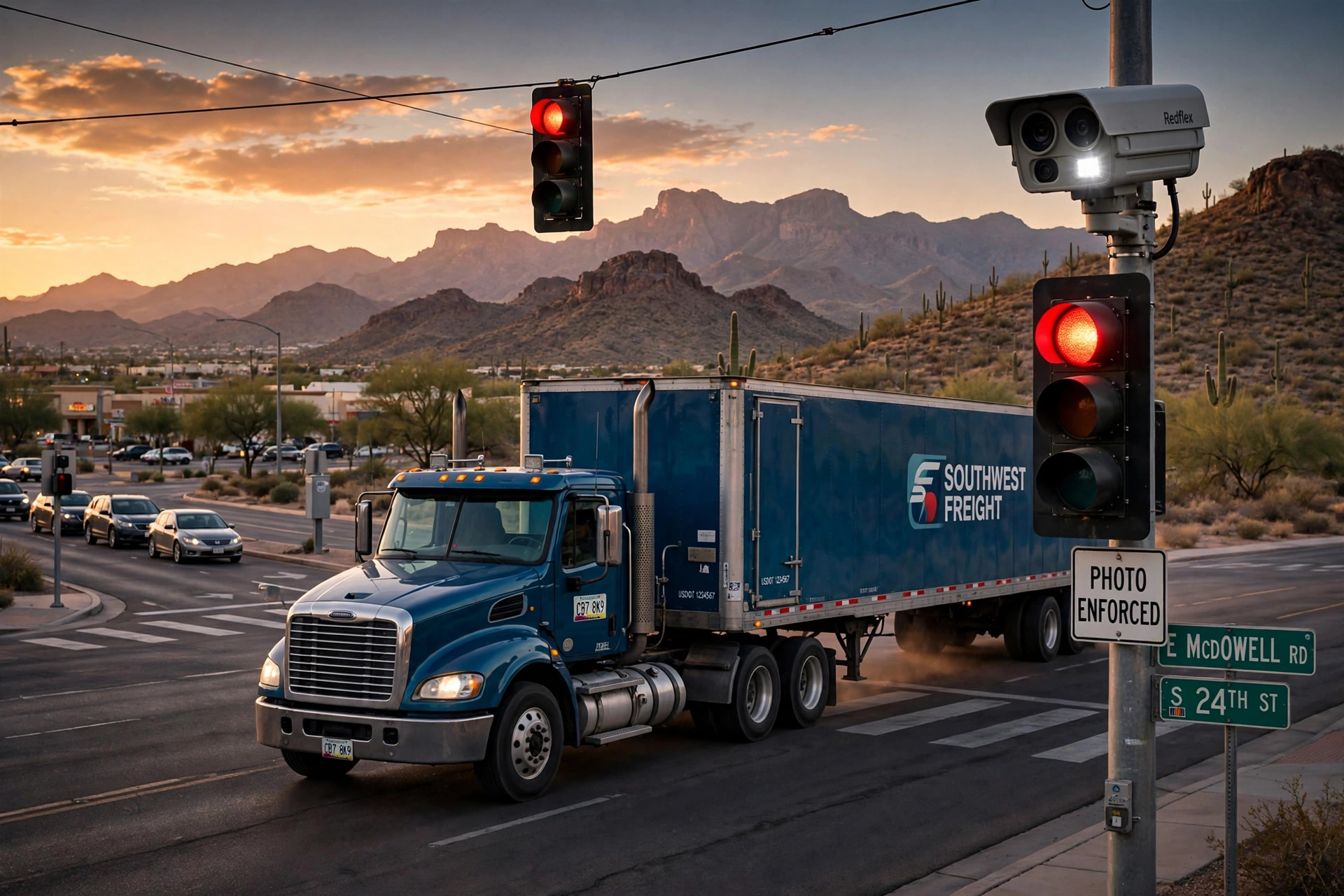 November 7, 2026 · RegulationsArizona voters put traffic cameras on a leash — and kept the door open to a per-mile tax, rejecting the VMT ban 50-49%
 November 5, 2026 · RegulationsOhio will downgrade every remaining non-domiciled CDL — about 3,000 of them — while a court case could reopen California's program
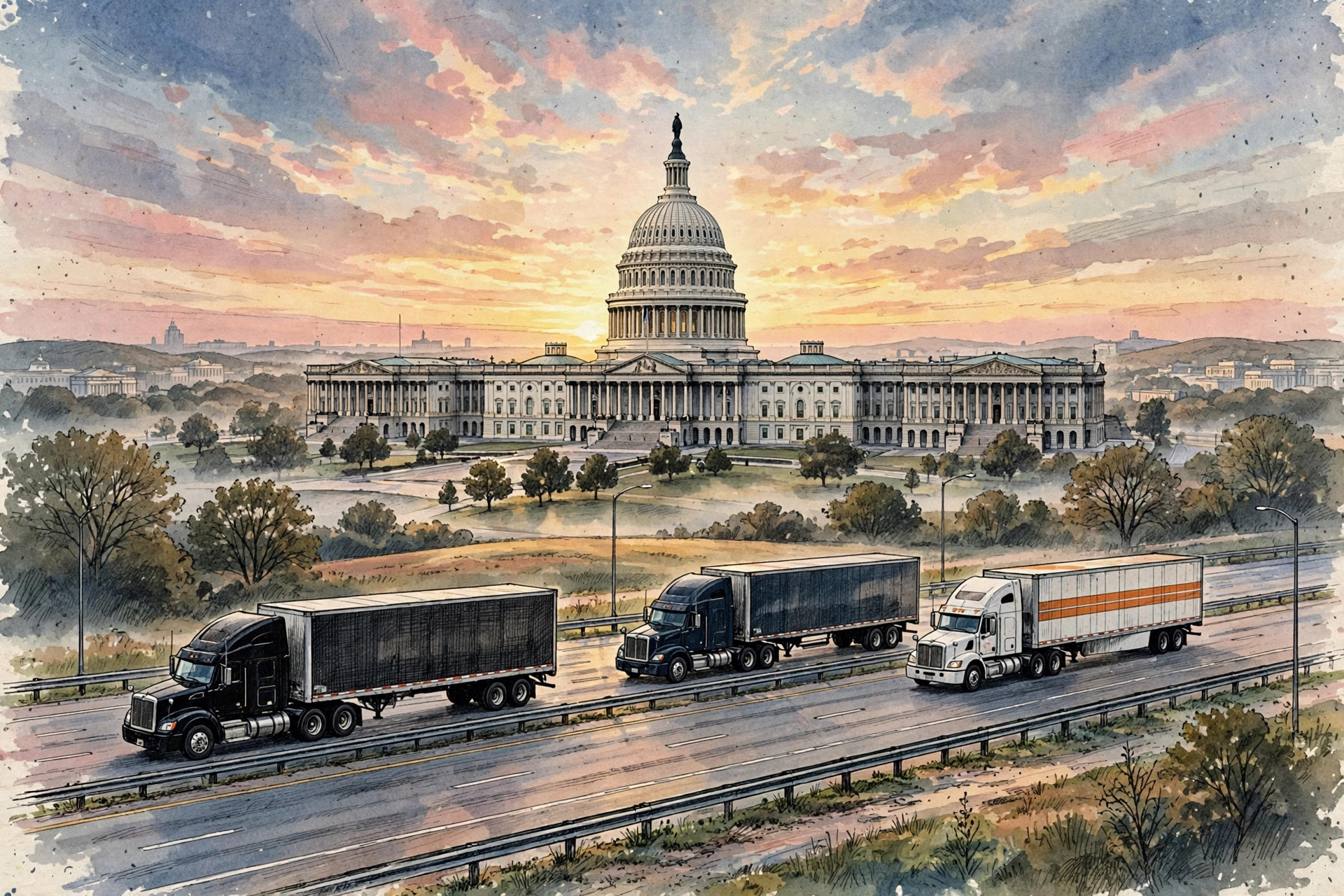 November 4, 2026 · RegulationsDemocrats win both chambers of Congress — and trucking's highway bill, lawsuit fights and CDL oversight now run through new committee chairs
Comments
Loading comments…