FMCSA wants comments on replacing both side mirrors with cameras and cab screens — Safety Vision's five-year exemption request
In a notice published Nov. 18 in the Federal Register, FMCSA said Safety Vision is seeking a five-year exemption from the rule requiring a rear-vision mirror on each side of interstate trucks, truck tractors and buses, so fleets could run its View Smart weatherproof cameras and windshield-side screens instead. The agency has not approved the request; comments are due Dec. 18 in docket FMCSA-2026-3707.
Summarized from The Trucker.
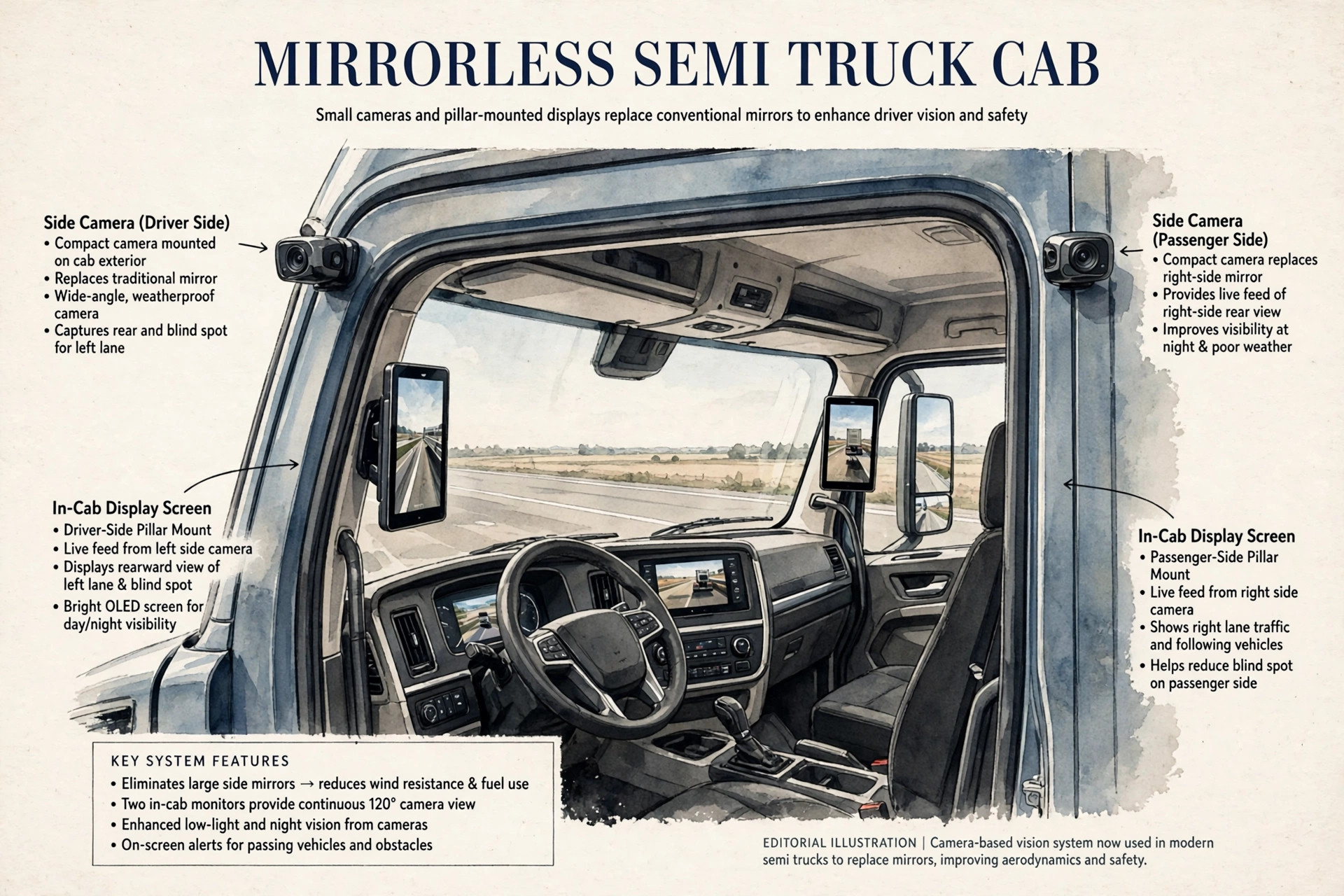
Image: Illustration: AI-generated by CDLWire
The Federal Motor Carrier Safety Administration is asking for public comment on whether fleets should be allowed to use a camera system in place of the two side mirrors required on commercial trucks and buses, according to The Trucker on Nov. 18.
In a notice published Nov. 18 in the Federal Register, FMCSA said Safety Vision is seeking a five-year exemption from the federal rule requiring interstate trucks, truck tractors and buses to have a rear-vision mirror on each side. The agency has not approved the request. That procedural posture matters and should be stated plainly at the top: today, the mirror requirement stands in full, no fleet may remove its mirrors on the strength of this filing, and what opened on Nov. 18 is a comment docket — the same kind of exemption process CDLWire covered on Wednesday for Saia's doubles training request, applied this time to equipment rather than licensing.
The system at the center of the request is Safety Vision's View Smart. It uses weatherproof cameras on both sides of the vehicle to feed video to screens mounted along the sides of the windshield. Safety Vision says the system gives drivers a wider view, improves visibility in low light and can sound an alert when it detects a pedestrian or vehicle nearby. Each of those is the company's claim for its product, and the exemption process exists to test exactly such claims: FMCSA will review the application, safety analyses and public comments before deciding whether View Smart would provide at least the same level of safety as conventional mirrors. \"At least the same level of safety\" is the statutory shape of every exemption decision — the agency does not have to find the new equipment better, but the applicant has to carry the argument that it is no worse, in the conditions trucks actually run: rain, road grime, night glare, a failed screen, a camera knocked out of alignment.
Safety Vision's operating history is transit, and The Trucker's account is careful about what that history does and does not prove. The company has supplied camera systems to transit bus operators since 2024 and says it has received positive feedback on image quality and viewing angles. Those buses, however, still had their required mirrors. In other words, the field experience behind the request is with cameras as a supplement — an additional view alongside the mirror — while the exemption asks for cameras as a replacement, with the mirror gone. Commenters who run the system, in either configuration, are the witnesses this docket most needs, and the distinction between supplement and replacement is the question their comments should answer.
The mirror rule itself is one of the oldest pieces of equipment law a driver deals with, and its simplicity is its enforcement strength: a rear-vision mirror on each side either is there, intact and adjusted, or it is not — a roadside inspector can verify it at a glance, and a driver can verify it in a pre-trip walkaround. A camera system trades that simplicity for capability: a wider field of view than a flat mirror gives, low-light performance a mirror cannot match, and active alerts a mirror will never sound, against failure modes a mirror does not have — power, software, lens fouling and screen legibility in direct sun. FMCSA's decision, when it comes, will be a judgment about that trade for this specific system, on this record — not a general ruling that cameras may replace mirrors across the industry, and not a change to the underlying rule for anyone outside the exemption's terms.
The comment route is open now and has a deadline. Drivers and fleets can submit comments at Regulations.gov through Dec. 18 using docket number FMCSA-2026-3707. As with the Saia docket, the comments that move an exemption record are the specific ones: fleets and drivers who have run camera systems — what failed, what the screens look like at night in rain, whether the wider view changed lane-change decisions — give the agency evidence; general enthusiasm or general suspicion gives it very little. A driver with a view on being asked to trust a screen for the lane beside the trailer has a month to put that view where it counts.
For drivers and fleets, the practical position is unchanged equipment law and an open question. Mirrors remain required on both sides, an exemption has been requested but not granted, and no purchase or removal decision should be made on a pending docket. What Nov. 18 changed is that the replacement question is now formally before the agency with a named system, a five-year term and a Dec. 18 comment deadline. If FMCSA grants it, the first trucks running mirrorless under View Smart will be running on this record — which is the reason the record is worth contributing to while it is being built.
Sources
Related coverage
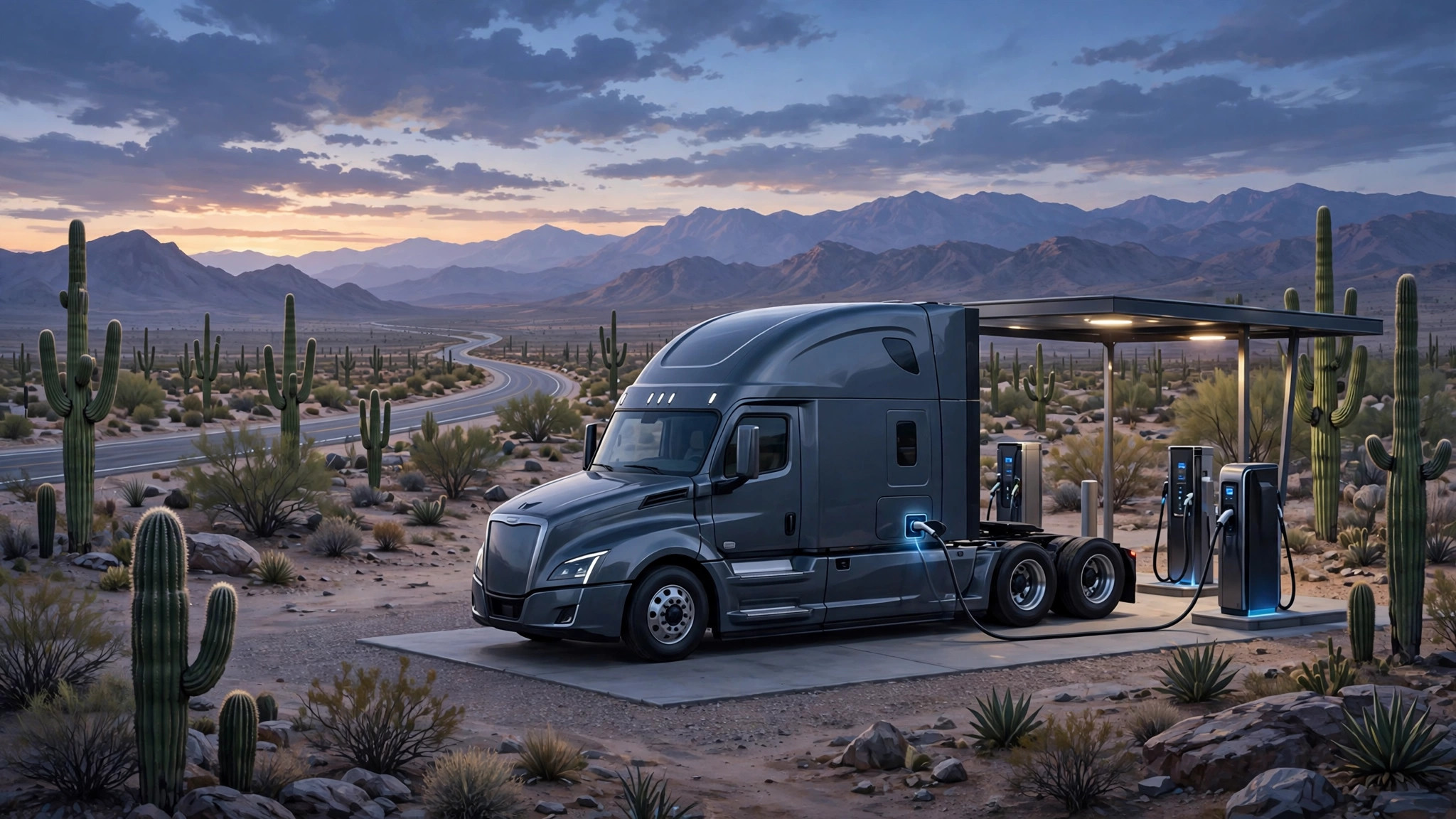 November 13, 2026 · EquipmentNevoya and Meta team up again: 25 electric Class 8 trucks for Interstate 10, launching in 2027
 November 7, 2026 · EquipmentAxle and engine shortages dented Daimler's truck output even as sales jumped 51% — and its largest U.S. plant site will likely be named by Christmas
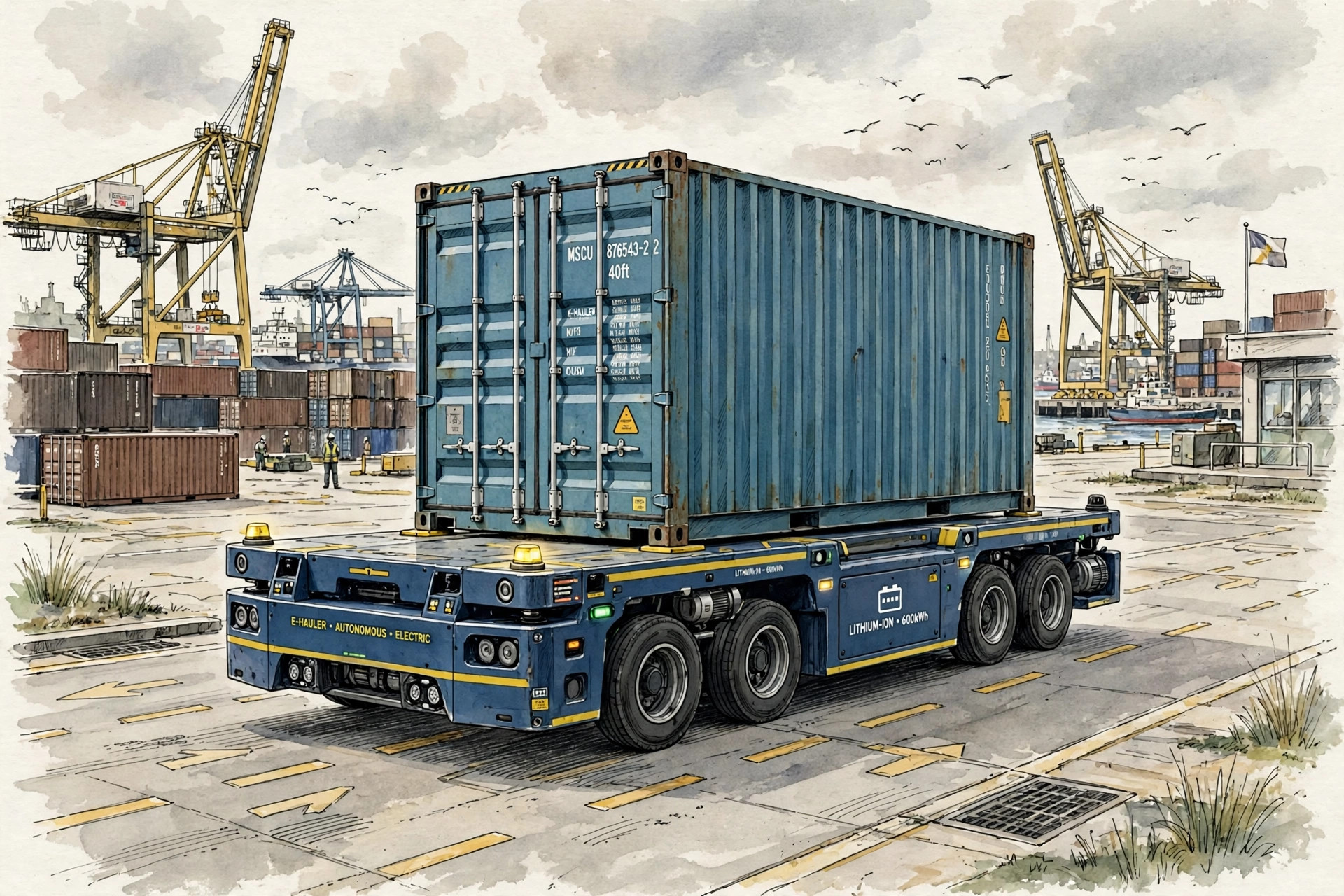 November 6, 2026 · EquipmentNo cab, no hitch, no driver: Humble Robotics raises $51 million to pilot its cabless electric hauler on port and warehouse runs under 250 miles
Comments
Loading comments…